
Supporting Your Child
Supporting Your Child
Information, ideas and support for families
Every child is different. They have different strengths, interests, ways of learning and things they may find more difficult.
If your child is finding something difficult, has additional needs or you are wondering whether they may have a special educational need or disability (SEND), you do not need to wait for a diagnosis before speaking to us or trying strategies that may help.
We want families to feel able to ask questions, share concerns and work with us to understand what helps their child.
If You Are Concerned About Your Child
Your child’s class teacher is usually the best person to speak to first. They can discuss how your child is getting on in school, what has been noticed and any strategies or support that are already in place.
You can also contact our SENCO, Jen Bee, for advice about additional needs and SEND.
Telephone: 01827 337465
Email: senco@amingtonheath.staffs.sch.uk
We can work together to consider your child’s strengths, needs and any barriers they may be experiencing. Where appropriate, this may lead to additional support, assessment or advice from other professionals.
Helping Your Child at Home
Small adjustments can make a big difference. What works will depend on your individual child, but it can help to:
- give clear, simple instructions and break larger tasks into smaller steps
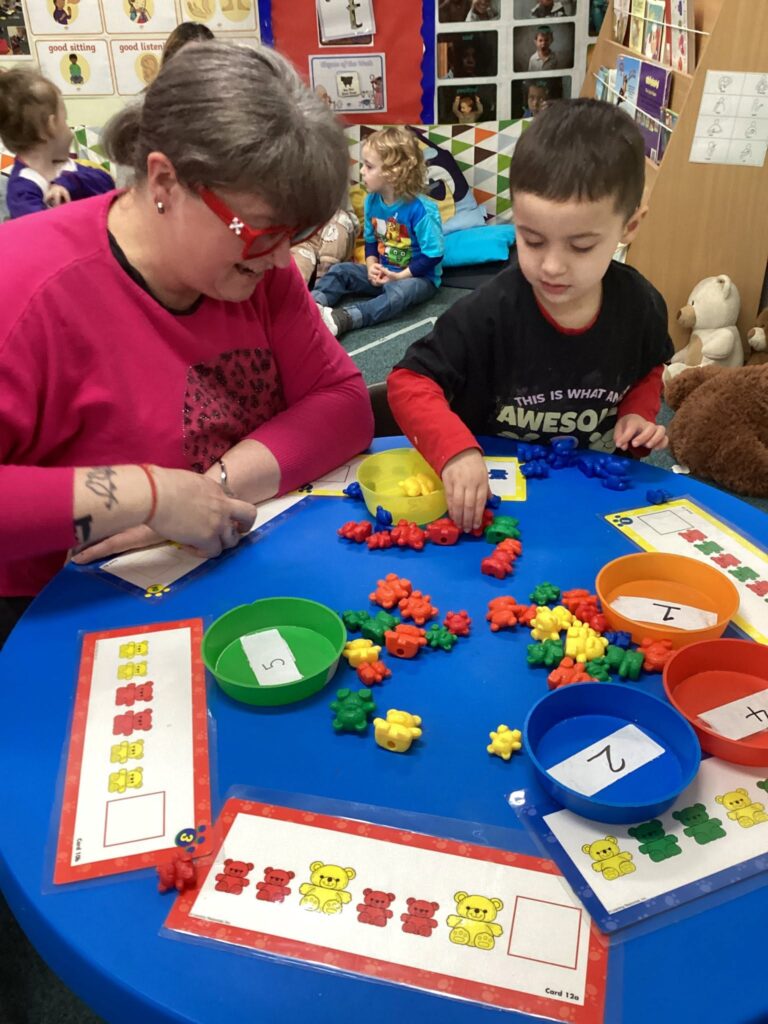
- allow additional time to process information and respond
- use routines, visual reminders, lists or timetables where these are helpful
- practise new skills little and often rather than for long periods
- use your child’s interests and strengths to help motivate learning
- notice and praise effort, progress and perseverance
- help your child understand what they find difficult as well as recognising what they do well
- support organisation by preparing equipment, bags or clothing in advance
- build in movement, sensory or quiet breaks where these help your child regulate
- keep communicating with school so that successful strategies can be shared between home and school
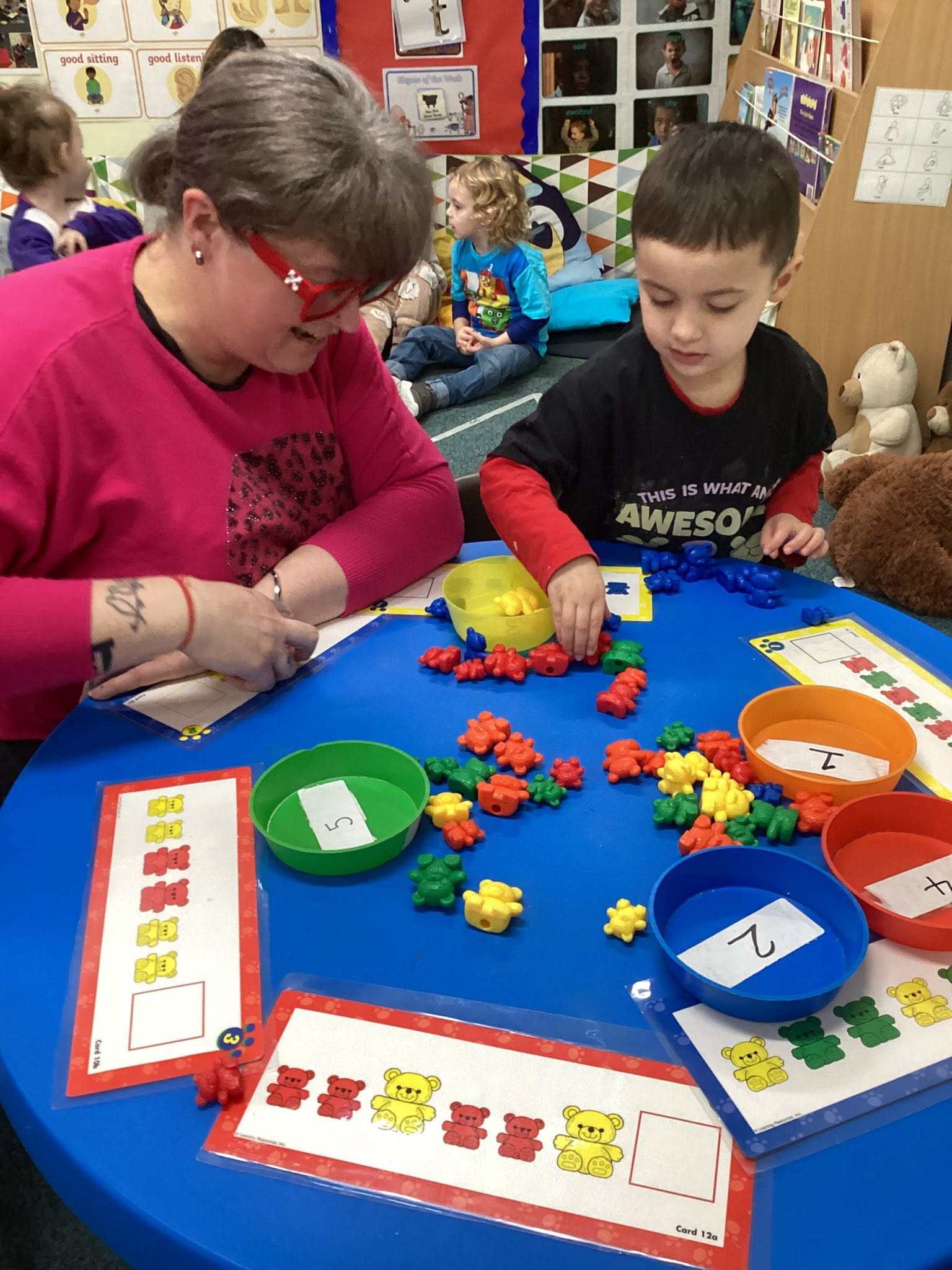
Most importantly, children do not need to fit one particular way of learning. Understanding what helps your child is often more useful than focusing on a label.
Communication and Interaction
Some children may need additional support with understanding or using language, communicating their needs, social interaction or understanding social situations.
This broad area of need can include children with speech, language and communication needs and autistic children.
Helpful approaches may include clear and concise language, visual support, predictable routines, additional processing time, preparation for change and explicit teaching of communication or social skills.
Learning, Reading, Writing and Maths
Children can have different strengths and difficulties within their learning. Some may need additional support with areas such as reading, spelling, writing, memory, processing, number or mathematical understanding.
This may include specific learning difficulties such as dyslexia or dyscalculia.
Strategies might include breaking learning into smaller steps, additional modelling and practice, visual or practical resources, assistive technology and adaptations to the way information is presented or recorded.
Attention, Concentration and Executive Functioning
Some children find it particularly difficult to maintain attention, control impulses, organise themselves, remember instructions, manage time or move between activities.
These difficulties can occur for many reasons and may be associated with conditions such as ADHD. A child does not need to have a diagnosis for adults at home and school to use strategies that help them.
Helpful approaches can include short and clear instructions, visual reminders, movement breaks, reducing distractions, breaking tasks into manageable steps and providing support with routines and organisation.
Social, Emotional and Mental Health
Children’s emotional wellbeing can affect their learning, relationships, behaviour and ability to participate in school life. Children may need support with areas such as anxiety, emotional regulation, friendships, bereavement or attending school.
We provide a range of wellbeing and pastoral support at Amington Heath and work with families and external services where additional help is needed.
Find out about Mental Health and Wellbeing support at Amington Heath
Sensory and Physical Needs
Some children experience sensory or physical differences that affect their access to learning or everyday school life. This might include difficulties relating to hearing, vision, movement, coordination, fine motor skills or sensory processing.
Support will depend on the individual child and may include adaptations to the environment, equipment, sensory regulation strategies, assistive technology or advice from specialist professionals.
Independent Advice and Support for Families
Families can also access independent information, advice and support about SEND.
Staffordshire SENDIASS
Staffordshire SENDIASS provides free, impartial and confidential information, advice and support about education, health and social care for children and young people with SEND and their parents and carers.
Contact
Information and support for families with disabled children.
GOV.UK – Disability Information and Support
Government information about disability, benefits, financial support and services.
Finding More Support
Our Useful SEND Links & Resources page contains further links to local and national organisations covering different areas of SEND.
You can also find information about SEND services and support available across Staffordshire through the Staffordshire Local Offer.